Why Being Unmistakably You Is the Most Powerful Business Strategy Nobody Talks About

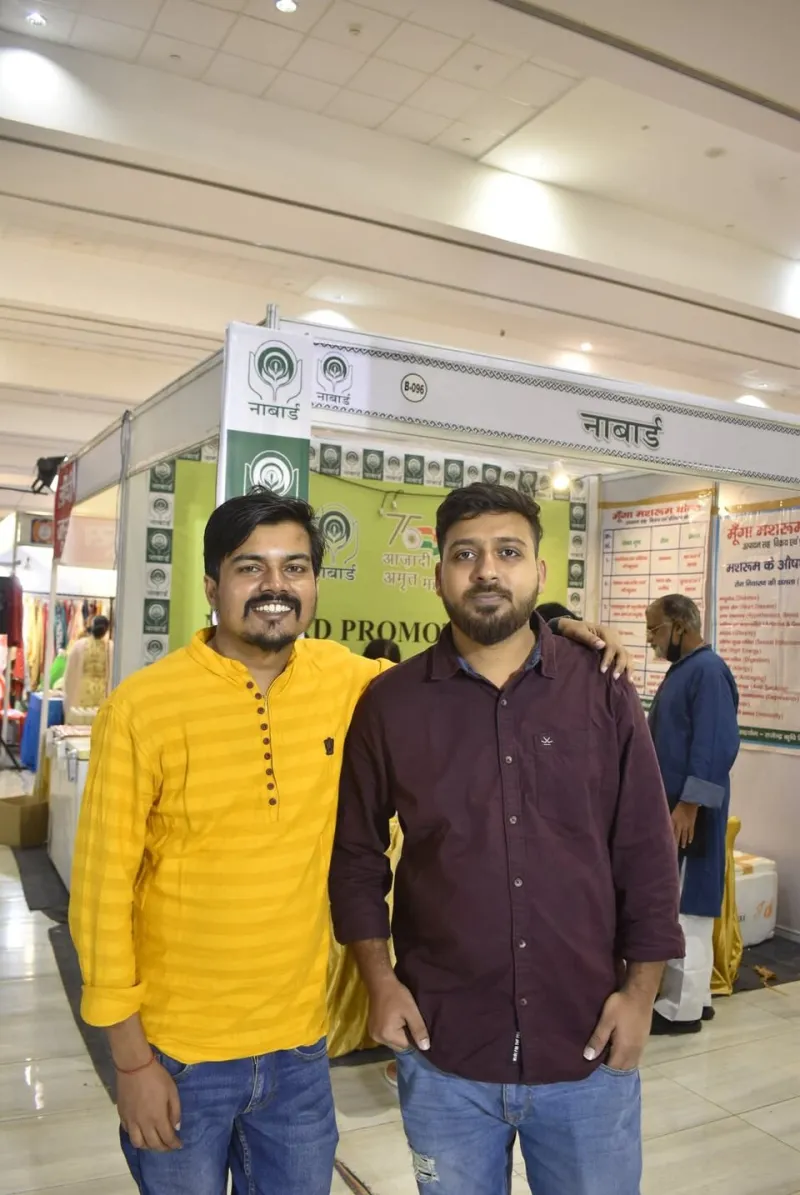
Photo: Shixart1985, CC BY 2.0, via Wikimedia Commons
The Expert Paradox Nobody Warns You About
Here's a scenario that probably sounds familiar: two people with nearly identical resumes, similar portfolios, and comparable skill sets are both putting themselves out there. One is grinding away, pitching cold, and watching opportunities trickle in slowly. The other seems to have clients and collaborators coming to them almost effortlessly.
The difference usually isn't credentials. It's personality.
We're living through a weird moment in the creator economy where the most-followed, most-hired, and most-trusted voices aren't always the most formally qualified. They're the ones who have figured out how to be unmistakably themselves in public — consistently, intentionally, and without apology.
That's what I'd call the Abhijeth Principle: your distinctiveness isn't a liability to be softened for a broader audience. It's the actual product.
What Generic Expertise Actually Gets You
Let's be honest about what playing it safe looks like in practice. You build a polished LinkedIn. You list your certifications. You write content that's technically accurate but emotionally inert. You position yourself as a "results-driven professional" who "leverages synergies" — and you wonder why nobody's reaching out.
Generic expertise signals competence. And competence, on its own, is table stakes in 2025. There are thousands of competent designers, writers, strategists, and consultants in the US market alone. Competence doesn't create loyalty. It doesn't generate word-of-mouth. It doesn't make someone screenshot your post and text it to a friend with "this is literally you."
That last thing? That's the currency that actually moves the needle.
Personality Creates Loyalty That Credentials Can't Buy
Think about the creators and professionals you actually follow — not just respect from a distance, but genuinely look forward to hearing from. Chances are, you know their opinions on things outside their niche. You have a sense of their sense of humor. You'd recognize their voice in a sea of other content.
That's not accidental. It's the result of someone making a deliberate choice to let their actual self show up in their professional positioning.
When you do that, something interesting happens. Your audience stops evaluating you purely on deliverables and starts rooting for you. They become invested in your story, not just your services. That emotional investment is what turns a one-time client into a long-term collaborator, a casual follower into a vocal advocate, and a newsletter subscriber into someone who buys whatever you put out because they trust you — not just your offer.
The Quirks Are the Features
Here's where most people get stuck: they understand the theory but hesitate when it comes to execution. What exactly are you supposed to share? How personal is too personal? What if your opinions alienate potential clients?
Let's flip that last question around. If your opinions push someone away, were they ever really your ideal client? Probably not. Polarization isn't a bug in personal branding — it's often a sign that your positioning is actually working.
Your quirks, your unusual takes, your specific cultural references, the way you explain things that's slightly different from everyone else in your space — these aren't things to sand down. They're the differentiators that make you memorable in a market full of people trying to sound professional by sounding exactly like each other.
Maybe you're a designer who's obsessed with old-school hip-hop album covers and it shapes how you think about visual hierarchy. Lead with that. Maybe you're a strategist who grew up in a small Midwestern town and it gives you a perspective on community and trust that coastal-centric brands desperately need. Say so. Your specific context is a competitive advantage the moment you stop hiding it.
Unexpected Revenue Streams That Personality Unlocks
Here's a practical angle worth sitting with: a strong personal brand doesn't just attract more of the same clients. It opens entirely different doors.
When people know who you are — your perspective, your aesthetic, your way of thinking — they start imagining you in contexts you might not have pitched yourself for. Speaking engagements. Brand partnerships. Co-created products. Consulting retainers with companies that want your point of view, not just your execution.
These opportunities rarely come to the polished-but-generic expert. They come to the person who has built an audience that trusts their taste and judgment. That trust is built through personality, not credentials.
A course, a community, a workshop series — all of these become dramatically more viable when your audience already feels connected to you as a person. They're not just buying access to information. They're buying more of you. That's a market dynamic that generic expertise simply cannot replicate.
Building Your Brand Without Performing a Character
The good news is that this doesn't require you to become an influencer, post every day, or manufacture a persona that doesn't feel natural. The most sustainable version of a personal brand is just a more intentional version of yourself.
Start by identifying the things you actually believe about your industry that the mainstream narrative tends to skip over. What's the conventional wisdom you quietly disagree with? What's the approach that everyone seems to take that you find kind of lazy or misguided? Those tensions are fertile ground for a point of view that's genuinely yours.
Then find a format and cadence that you can actually maintain — whether that's a weekly newsletter, occasional long-form posts, or a simple content series built around a recurring theme. Consistency matters more than volume. Showing up reliably in your own voice over time is what builds the kind of familiarity that eventually feels like trust.
The Bottom Line
In a market saturated with credentials, personality is the scarcest resource. The creators and professionals winning right now aren't necessarily the most technically skilled — they're the ones who've made themselves impossible to confuse with anyone else.
Your expertise gets you considered. Your personality gets you chosen. And in the long run, being unmistakably yourself is the most defensible competitive position you can build — because nobody else can copy it.